



Blue and white striped ceramic bowl
It is a blue-and-white striped ceramic bowl, commonly known in Japan as the "ten-grass-striped" bowl. The inside and outside of the bowl are painted with radial blue stripes, a pattern traditionally known in Japan as the "ten-grass pattern", which mimics the node-like appearance of the wattle plant. Bowls of this size (about 12-14cm in diameter) are widely used in Japanese homes as rice bowls, soup bowls, noodle bowls, salad bowls or side dishes.

Eighteenth Century European Porcelain Imitation Twelve Horned Porcelain Bowl
This porcelain was made in Meissen, Germany, between 1730 and 1734. Meissen Porcelain Workshop is inspired by oriental porcelain, especially Chinese and Japanese styles. This work is modeled after the traditional Japanese twelve-horn bowl. It uses exquisite underglaze blue, overglaze and gold decoration, which is a good example of early European porcelain making process.

eighteenth-century european porcelain imitation twelve-horn bowl
This porcelain was made in Meissen, Germany, between 1730 and 1734. Meissen Porcelain Workshop is inspired by oriental porcelain, especially Chinese and Japanese styles. This work is modeled after the traditional Japanese twelve-horn bowl. It uses exquisite underglaze blue, overglaze and gold decoration, which is a good example of early European porcelain making process.

Qing Dynasty Yongzheng Cultural Relics Hollow Golden Overglaze Color Porcelain Bowl
This porcelain is an antique from the Yongzheng period of the Qing Dynasty (1723-1735) and was produced in Jingdezhen. Yongzheng period porcelain is famous for its exquisite craftsmanship and unique aesthetic style. Yongzheng period porcelain glaze color variety, including pastel, enamel, fighting color and so on. Enamel porcelain has been greatly developed in the Yongzheng period and has become a work of art integrating poetry, calligraphy, painting and printing.

Tenth Century Cultural Relics Bifurcation Spiral Figure Porcelain Bowl
Bowl decorated with geometric patterns (swastika and double-forked spiral pattern "yc"). From the site of Elcano, Corclé, Panama, 900-1020 AD. In the collection of the Fundaci Foundation (El Caño). Centre for Archaeological Studies of the Isthmus (Centro de Investigaciones Arqueol ógicas del Istmo).
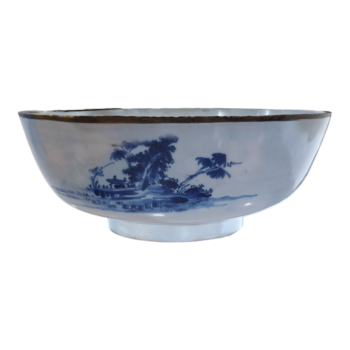
Porcelain bowl with copper edge inlaid with blue and white porcelain from the Qianlong period of the Qing Dynasty
The blue and white porcelain bowls made during the Qianlong period of the Qing Dynasty are now preserved in the Hunt Museum in England. The outer edge of the bowl is decorated with a Pegasus frame,

Porcelain from the Wanli period of the Ming Dynasty, titled 'Silver Gold Plated Inlaid Blue and White Porcelain Bowl'
The blue and white porcelain bowl made during the Wanli period of the Ming Dynasty (1573-1619) is currently preserved in the Hunt Museum in England. The outer edge of the bowl is decorated with a Pegasus frame, and the bowl wall is decorated with flower spray.

Greek Modern Handicraft Traditional Mythology Black Orange Yellow High Foot Bowl

East Asian Modern Elegant White Ceramic Curved Bowl

Popular Models
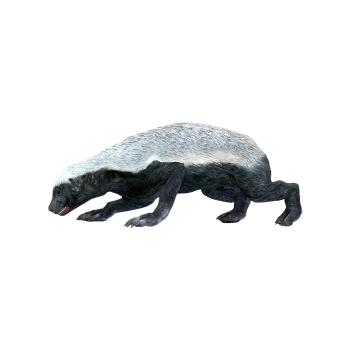
Honey Badger (3D animated model)
192 View
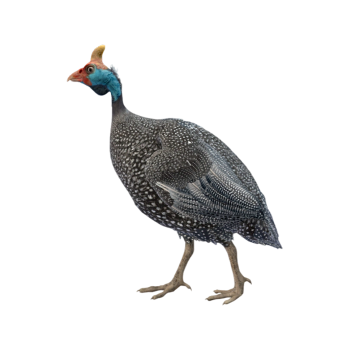
Guinea fowl (3D animated model)
163 View
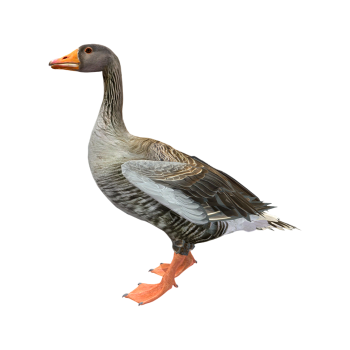
Wild Goose (3D animated model)
185 View
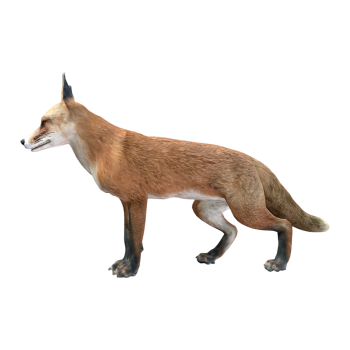
Red Fox (3D animated model)
153 View
Random Model
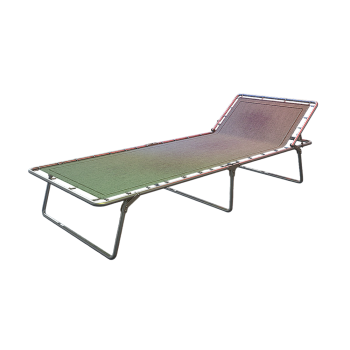
camp bed
419 View

Game machine
648 View

Gabon red soil samples
829 View

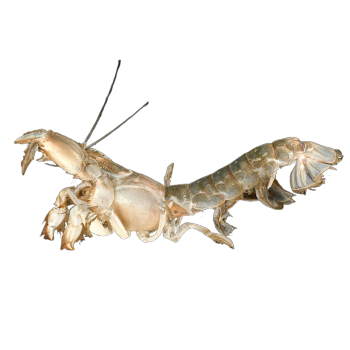
Big mole cricket shrimp
769 View

Ferrari F40 supercar
1272 View

3D animation of Tyrannosaurus rex model
1384 View
potted banyan seedlings
463 View


Thoracic and Spine Medicine 3D Model
749 View